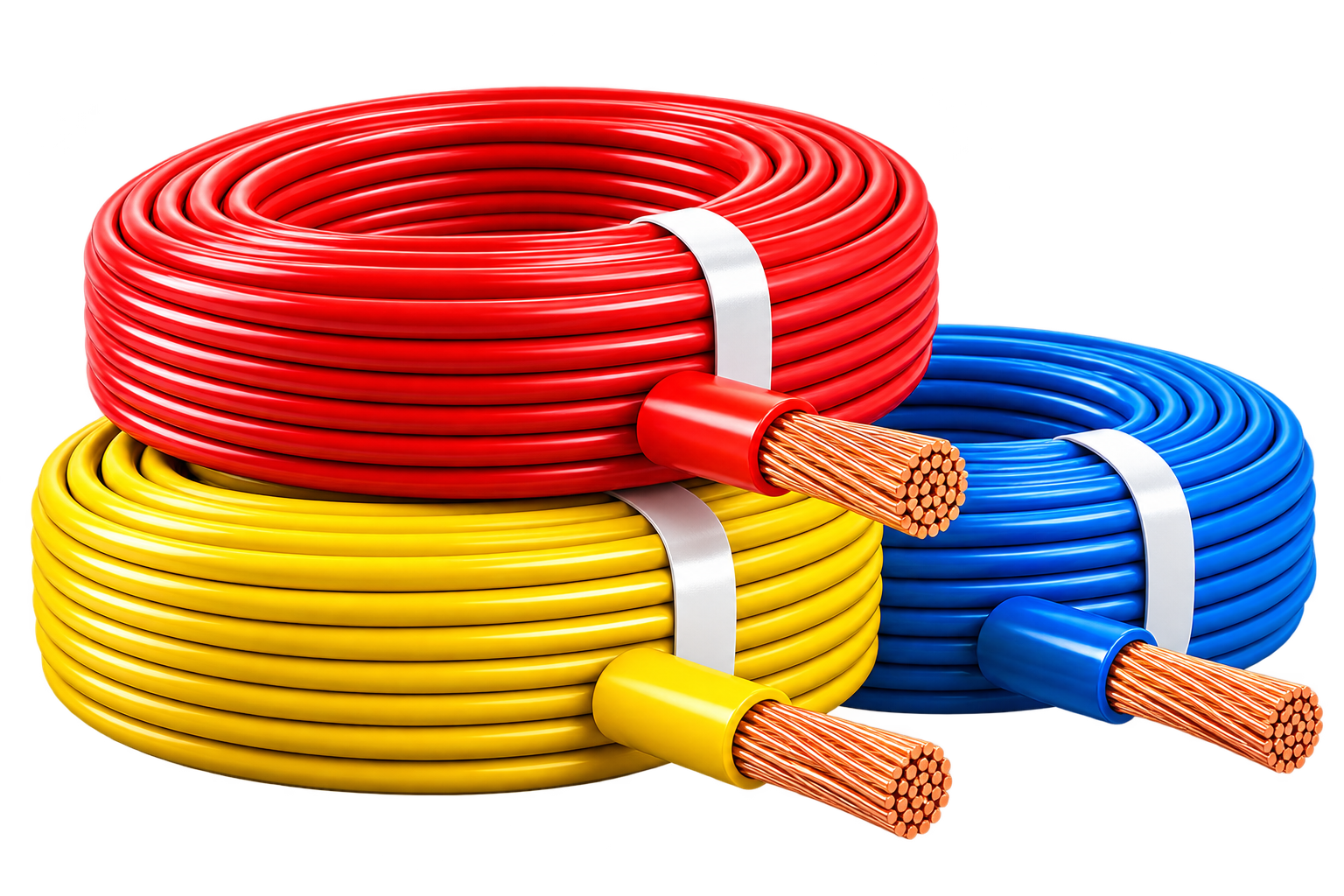
Choosing the right electrical cable is an important part of any electrical installation. Whether you are working on a residential property, commercial building, industrial facility or a larger electrical project, the cable should match the requirements of the application.
The right cable can contribute to reliable electrical performance, proper insulation and long-term usability. Instead of selecting a cable based only on appearance or price, it is important to consider specifications, installation conditions and the intended application.
1. Understand the Application
The first step is to identify where the cable will be used.
Residential wiring, commercial installations and industrial applications can have different requirements. A cable suitable for one application may not necessarily be appropriate for another.
Before purchasing, consider:
- Type of electrical installation
- Indoor or outdoor application
- Expected electrical load
- Installation environment
- Required cable length
- Applicable product specifications
Understanding the application makes it easier to select an appropriate cable.
2. Choose the Appropriate Cable Size
Cable size is an important specification when selecting electrical wiring.
The conductor size should be appropriate for the intended electrical load and installation. Using an unsuitable cable size can affect electrical performance and may result in unnecessary heating or other problems.
Always refer to the manufacturer’s specifications and consult a qualified electrical professional when determining the appropriate cable size.
3. Check the Voltage Rating
Every cable has a specified voltage rating. The cable selected should be appropriate for the electrical system in which it will be installed.
For example, MD Wires & Cables offers industrial cable products with a 1100V rating, depending on the product specification.
Always check the product label and technical information before making a purchase.
4. Consider Cable Insulation
Insulation provides a protective layer around the electrical conductor.
When selecting a cable, consider the type of insulation and whether it is appropriate for the installation environment.
Factors such as temperature, installation location, mechanical conditions and exposure to external elements can influence cable selection.
5. Consider the Installation Environment
Where the cable will be installed also matters.
A cable installed inside a residential building may have different requirements from one used in an industrial environment.
Consider whether the cable will be installed:
- Inside walls
- In conduits
- In commercial buildings
- In industrial areas
- In areas exposed to heat or other environmental conditions
6. Look at Product Quality
Cable quality is another important consideration. Check the product information, manufacturer details, specifications and applicable certifications before purchasing.
Reliable product information helps customers make an informed decision about whether a cable is appropriate for their requirements.
7. Buy From a Reliable Source
Purchasing electrical products from a reliable manufacturer or supplier can make product selection easier.
A good supplier should be able to provide information about cable size, voltage rating, insulation, length and intended application.
